Rome Geta, Silver Denarius 200-202AD gVF
Obverse:
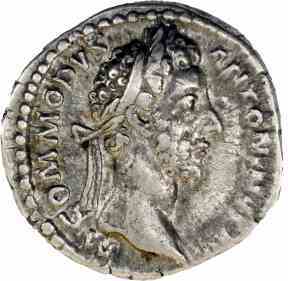
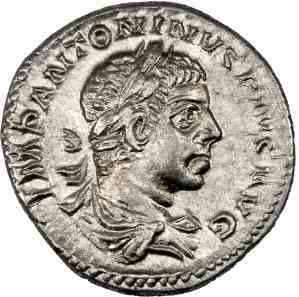
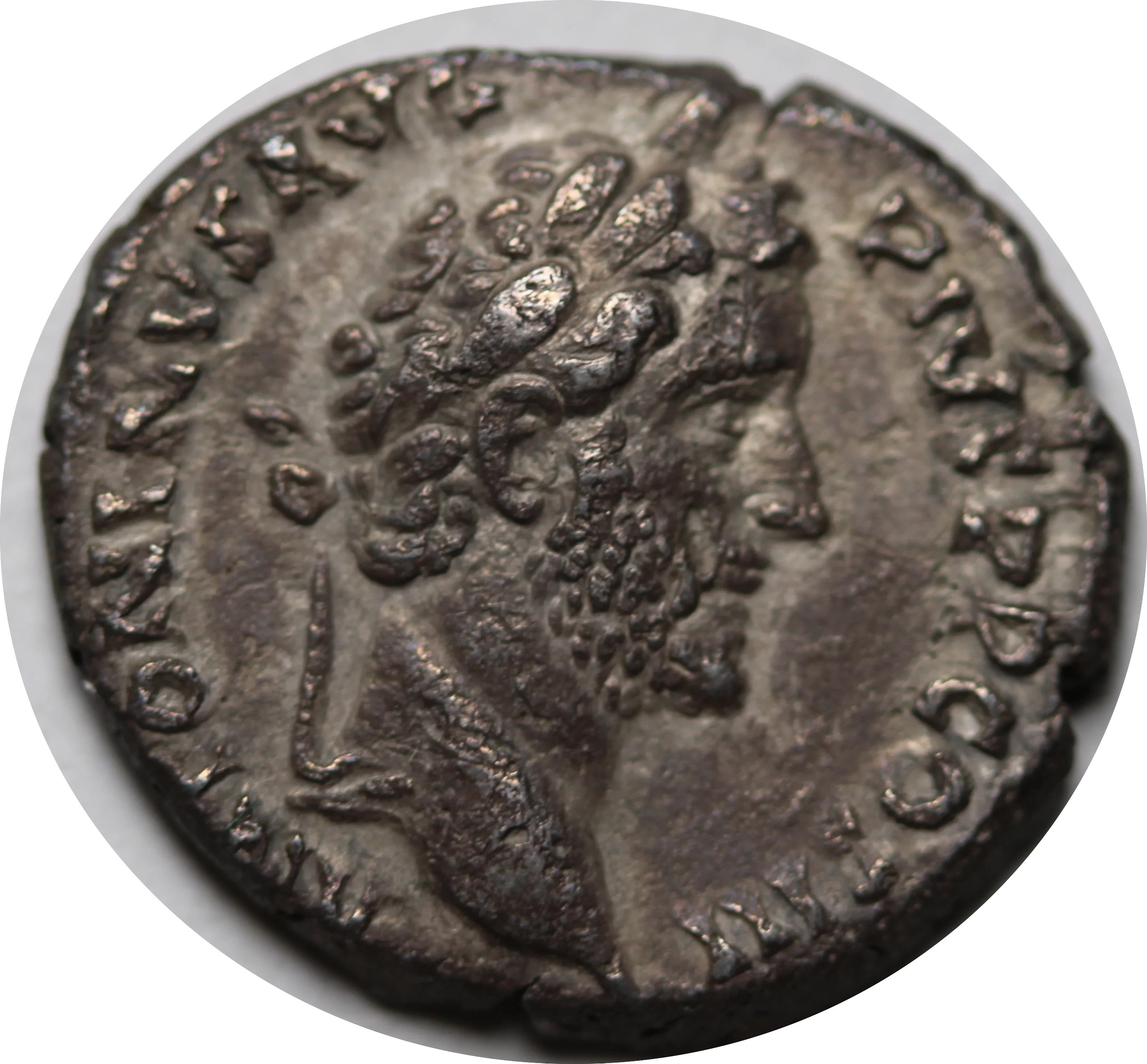
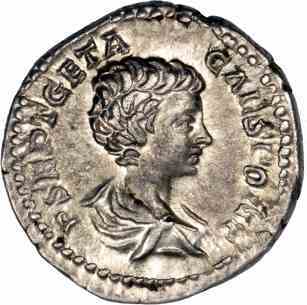
The bare headed, draped and cuirassed bust of Geta faces right, accompanied by the inscription P SEPT GETA CAES PONT. This youthful portrait reflects his status as Caesar, heir to the Severan dynasty.
Reverse:
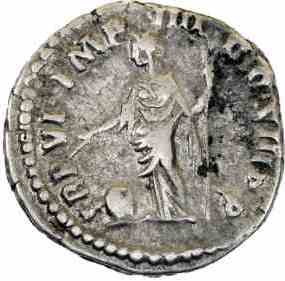
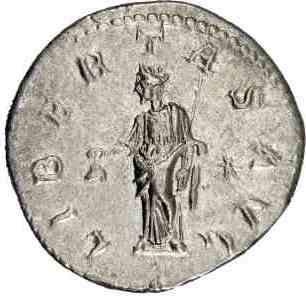
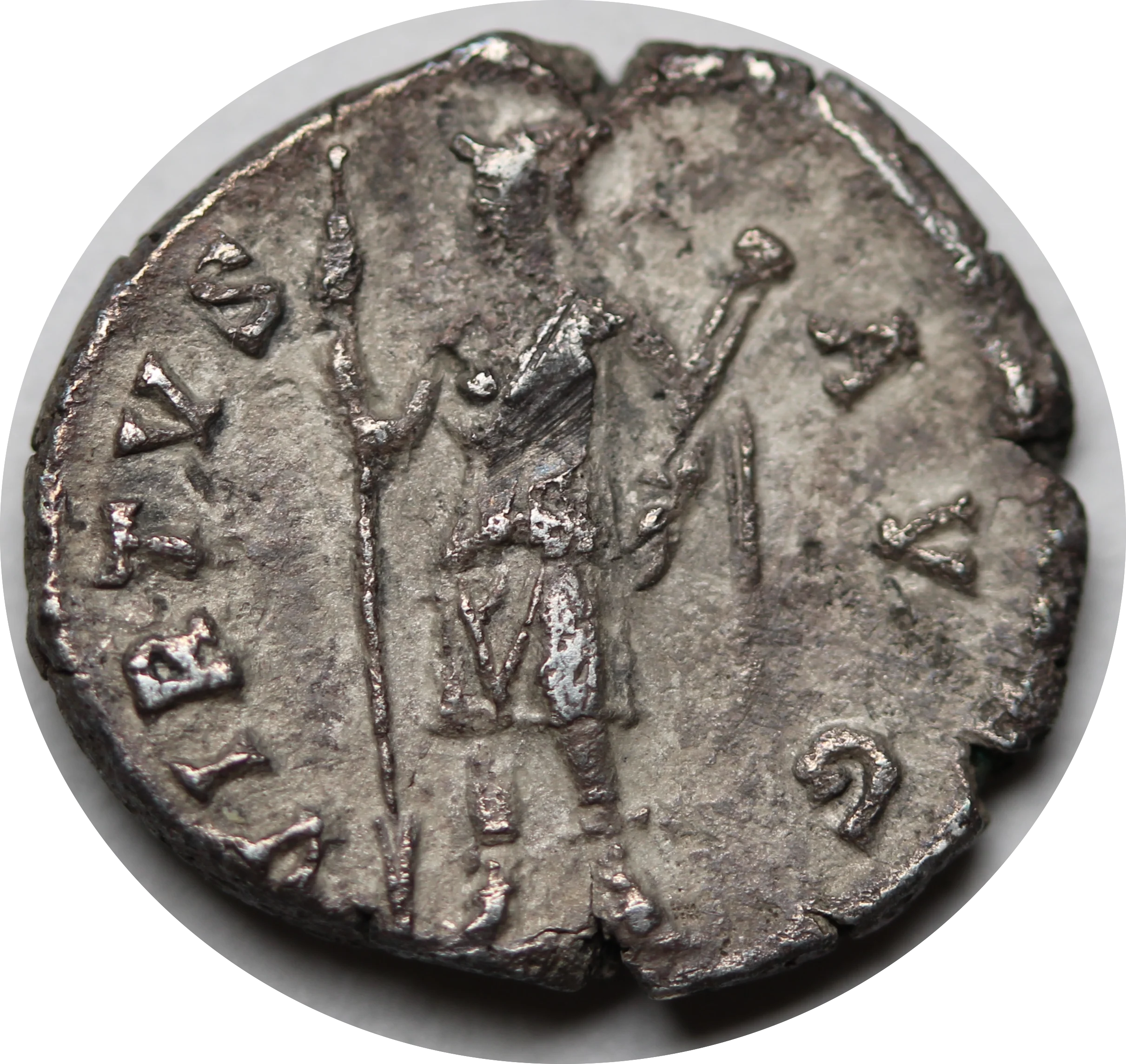
Nobilitas, the personification of nobility, stands right holding a sceptre and the Palladium. The imagery emphasises honour, prestige, and the legitimacy of Geta’s imperial lineage.
Details:
Struck in Rome between AD 200 and 202, this silver denarius measures 19mm and weighs 3.24 grams. Issued during Geta’s early rise to power, it represents the strength and continuity of the Severan dynasty within the Roman Empire.
Original: $178.87
-65%$178.87
$62.60More Images

Rome Geta, Silver Denarius 200-202AD gVF
Obverse:
The bare headed, draped and cuirassed bust of Geta faces right, accompanied by the inscription P SEPT GETA CAES PONT. This youthful portrait reflects his status as Caesar, heir to the Severan dynasty.
Reverse:
Nobilitas, the personification of nobility, stands right holding a sceptre and the Palladium. The imagery emphasises honour, prestige, and the legitimacy of Geta’s imperial lineage.
Details:
Struck in Rome between AD 200 and 202, this silver denarius measures 19mm and weighs 3.24 grams. Issued during Geta’s early rise to power, it represents the strength and continuity of the Severan dynasty within the Roman Empire.
Product Information
Product Information
Shipping & Returns
Shipping & Returns
Description
Obverse:
The bare headed, draped and cuirassed bust of Geta faces right, accompanied by the inscription P SEPT GETA CAES PONT. This youthful portrait reflects his status as Caesar, heir to the Severan dynasty.
Reverse:
Nobilitas, the personification of nobility, stands right holding a sceptre and the Palladium. The imagery emphasises honour, prestige, and the legitimacy of Geta’s imperial lineage.
Details:
Struck in Rome between AD 200 and 202, this silver denarius measures 19mm and weighs 3.24 grams. Issued during Geta’s early rise to power, it represents the strength and continuity of the Severan dynasty within the Roman Empire.