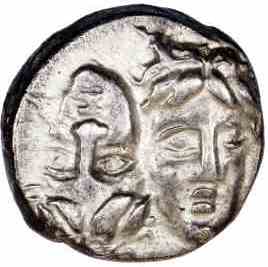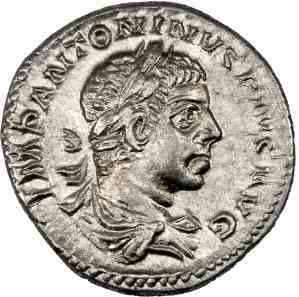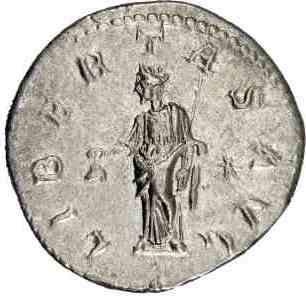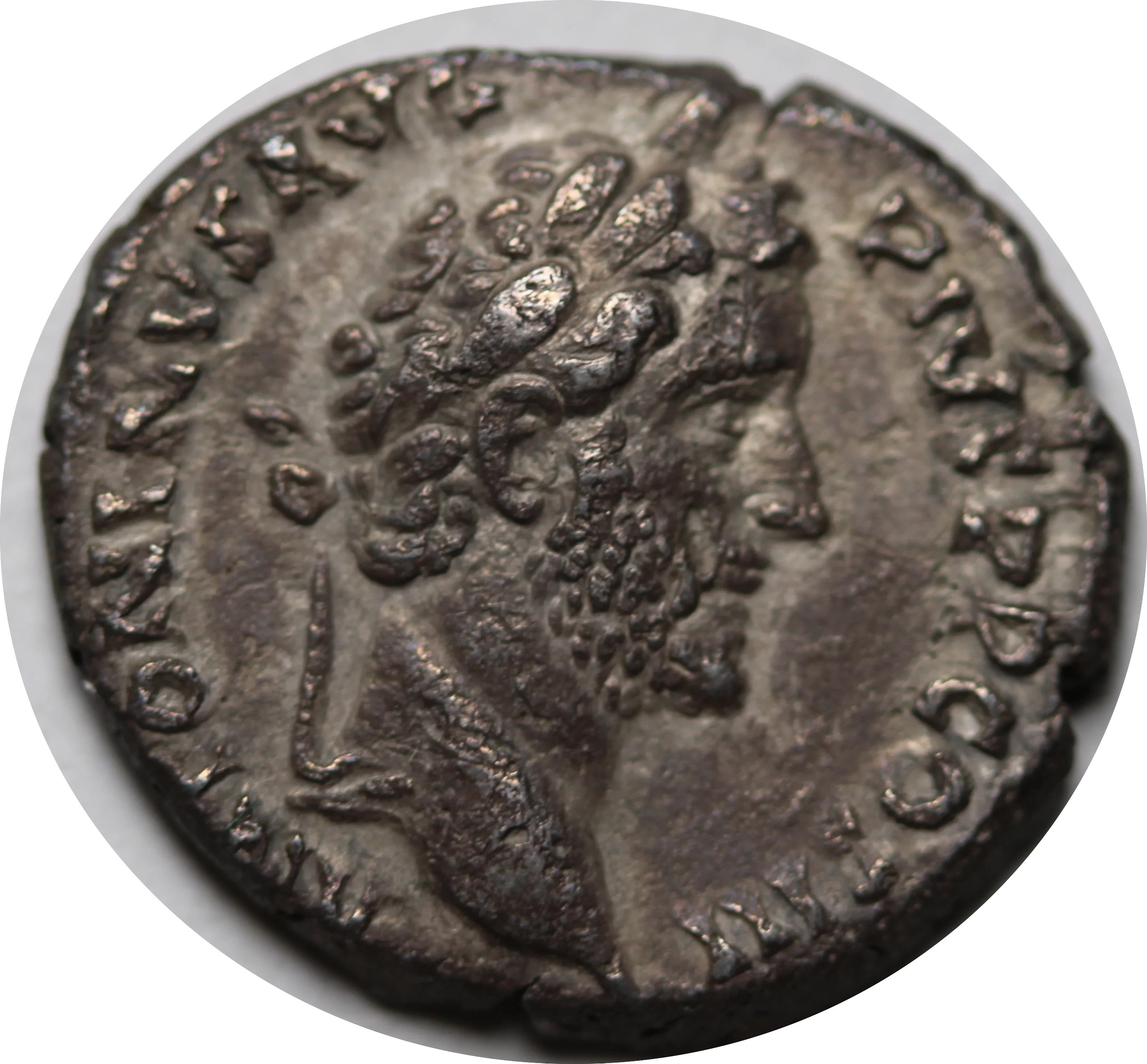
Moesia, Istros, Silver Obol 300-200BC aEF
Obverse:
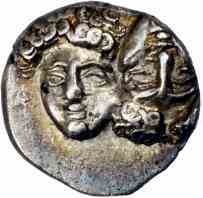
The obverse shows two youthful male heads facing side by side, with one inverted, a distinctive and symbolic design characteristic of the coinage of Istros. The imagery is often linked to duality and protection, possibly representing the Dioscuri or paired civic guardians.
Reverse:
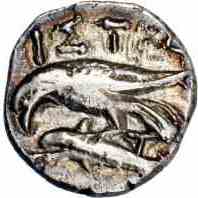
A sea eagle stands left upon a dolphin, with the inscription IΣTPIH. This powerful maritime motif reflects the city’s identity as a Black Sea trading hub, symbolising naval strength, commerce, and dominion over the waters.
Details:
Struck circa 300–200 BC in Moesia at Istros, this silver obol measures just 9mm and weighs 0.49 grams. Despite its small size, it carries the iconic and enduring imagery of one of the most recognisable issues of ancient Greek colonial coinage.
Original: $203.91
-65%$203.91
$71.37More Images
Moesia, Istros, Silver Obol 300-200BC aEF
Obverse:
The obverse shows two youthful male heads facing side by side, with one inverted, a distinctive and symbolic design characteristic of the coinage of Istros. The imagery is often linked to duality and protection, possibly representing the Dioscuri or paired civic guardians.
Reverse:
A sea eagle stands left upon a dolphin, with the inscription IΣTPIH. This powerful maritime motif reflects the city’s identity as a Black Sea trading hub, symbolising naval strength, commerce, and dominion over the waters.
Details:
Struck circa 300–200 BC in Moesia at Istros, this silver obol measures just 9mm and weighs 0.49 grams. Despite its small size, it carries the iconic and enduring imagery of one of the most recognisable issues of ancient Greek colonial coinage.
Product Information
Product Information
Shipping & Returns
Shipping & Returns
Description
Obverse:
The obverse shows two youthful male heads facing side by side, with one inverted, a distinctive and symbolic design characteristic of the coinage of Istros. The imagery is often linked to duality and protection, possibly representing the Dioscuri or paired civic guardians.
Reverse:
A sea eagle stands left upon a dolphin, with the inscription IΣTPIH. This powerful maritime motif reflects the city’s identity as a Black Sea trading hub, symbolising naval strength, commerce, and dominion over the waters.
Details:
Struck circa 300–200 BC in Moesia at Istros, this silver obol measures just 9mm and weighs 0.49 grams. Despite its small size, it carries the iconic and enduring imagery of one of the most recognisable issues of ancient Greek colonial coinage.