
India 1740-1807 Star Pagoda Madras Presidency EF
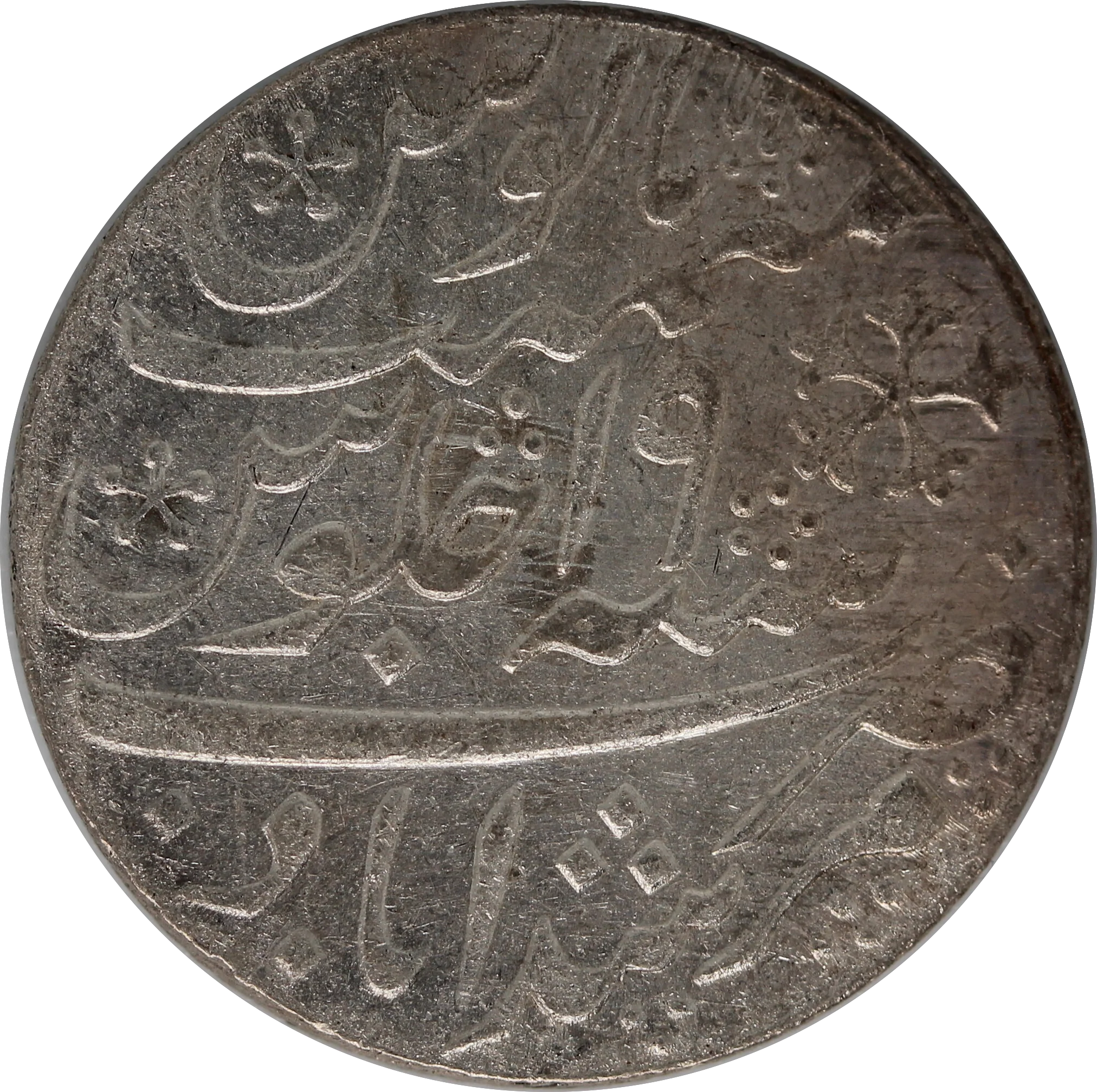
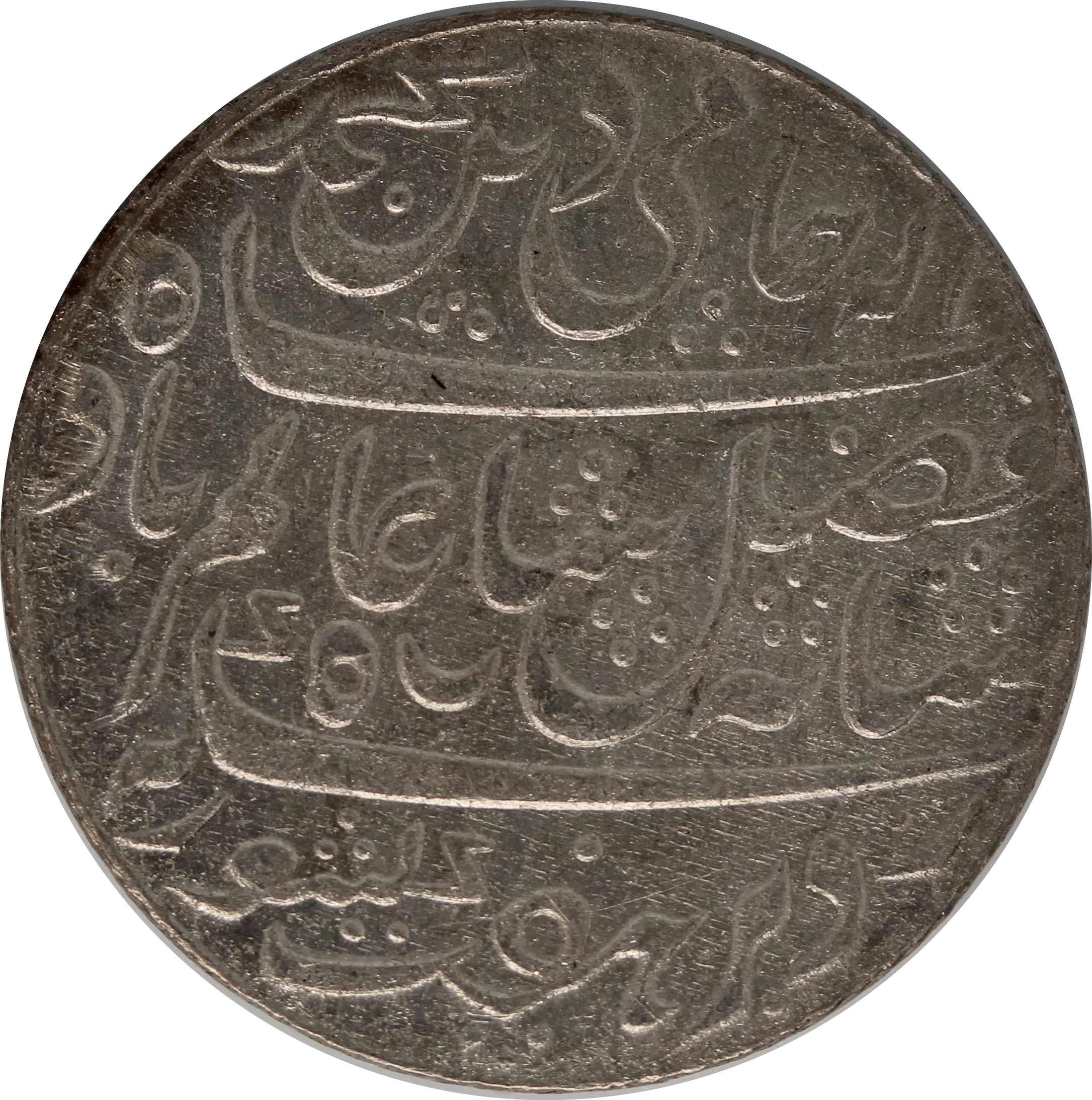
This Gold ‘Star’ Pagoda was struck by the British East India Company at the Madras Mint between 1740 and 1806. It features a half-length image of the deity Vishnu on the obverse, flanked by bead crosses, while the reverse displays a prominent central star surrounded by a granulated field. Despite a small flan flaw on the reverse, this example is exceptionally well-centred with a full, detailed figure—qualities that make it especially desirable. It’s an excellent representation of the Madras Presidency’s distinctive coinage style.
Originally a standard gold coin in southern India, the Pagoda was adopted and widely circulated by the British East India Company, particularly in the Madras Presidency. Struck to a consistent weight and purity, it became a key trade coin of the 18th century. Its prominence led to its inclusion in Governor Philip Gidley King's 1800 Proclamation of Currency in New South Wales, where it was assigned a high local value of Eight Shillings to help maintain coin circulation in the early Australian colony.
Original: $965.88
-65%$965.88
$338.06More Images

India 1740-1807 Star Pagoda Madras Presidency EF
This Gold ‘Star’ Pagoda was struck by the British East India Company at the Madras Mint between 1740 and 1806. It features a half-length image of the deity Vishnu on the obverse, flanked by bead crosses, while the reverse displays a prominent central star surrounded by a granulated field. Despite a small flan flaw on the reverse, this example is exceptionally well-centred with a full, detailed figure—qualities that make it especially desirable. It’s an excellent representation of the Madras Presidency’s distinctive coinage style.
Originally a standard gold coin in southern India, the Pagoda was adopted and widely circulated by the British East India Company, particularly in the Madras Presidency. Struck to a consistent weight and purity, it became a key trade coin of the 18th century. Its prominence led to its inclusion in Governor Philip Gidley King's 1800 Proclamation of Currency in New South Wales, where it was assigned a high local value of Eight Shillings to help maintain coin circulation in the early Australian colony.
Product Information
Product Information
Shipping & Returns
Shipping & Returns
Description
This Gold ‘Star’ Pagoda was struck by the British East India Company at the Madras Mint between 1740 and 1806. It features a half-length image of the deity Vishnu on the obverse, flanked by bead crosses, while the reverse displays a prominent central star surrounded by a granulated field. Despite a small flan flaw on the reverse, this example is exceptionally well-centred with a full, detailed figure—qualities that make it especially desirable. It’s an excellent representation of the Madras Presidency’s distinctive coinage style.
Originally a standard gold coin in southern India, the Pagoda was adopted and widely circulated by the British East India Company, particularly in the Madras Presidency. Struck to a consistent weight and purity, it became a key trade coin of the 18th century. Its prominence led to its inclusion in Governor Philip Gidley King's 1800 Proclamation of Currency in New South Wales, where it was assigned a high local value of Eight Shillings to help maintain coin circulation in the early Australian colony.