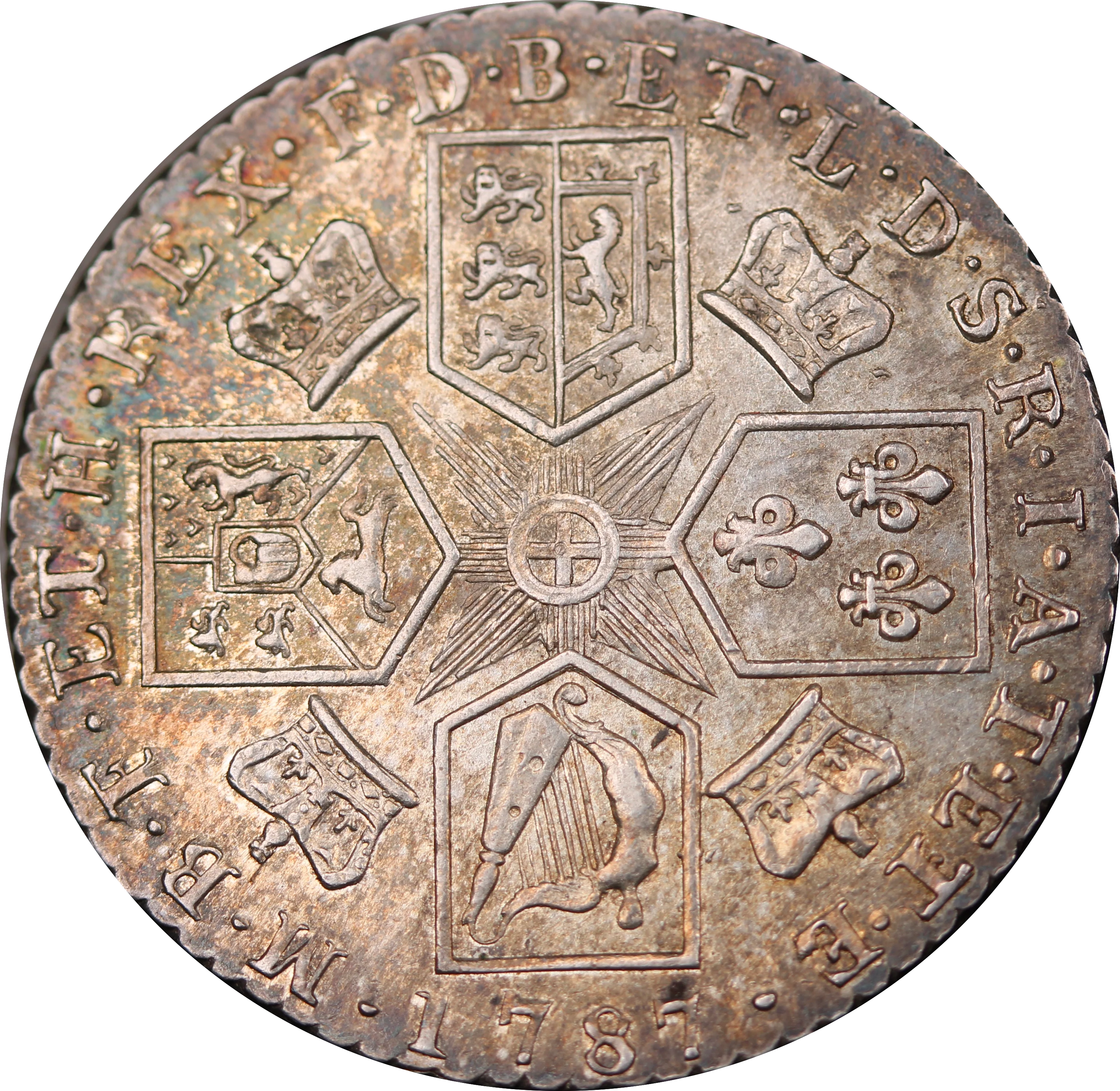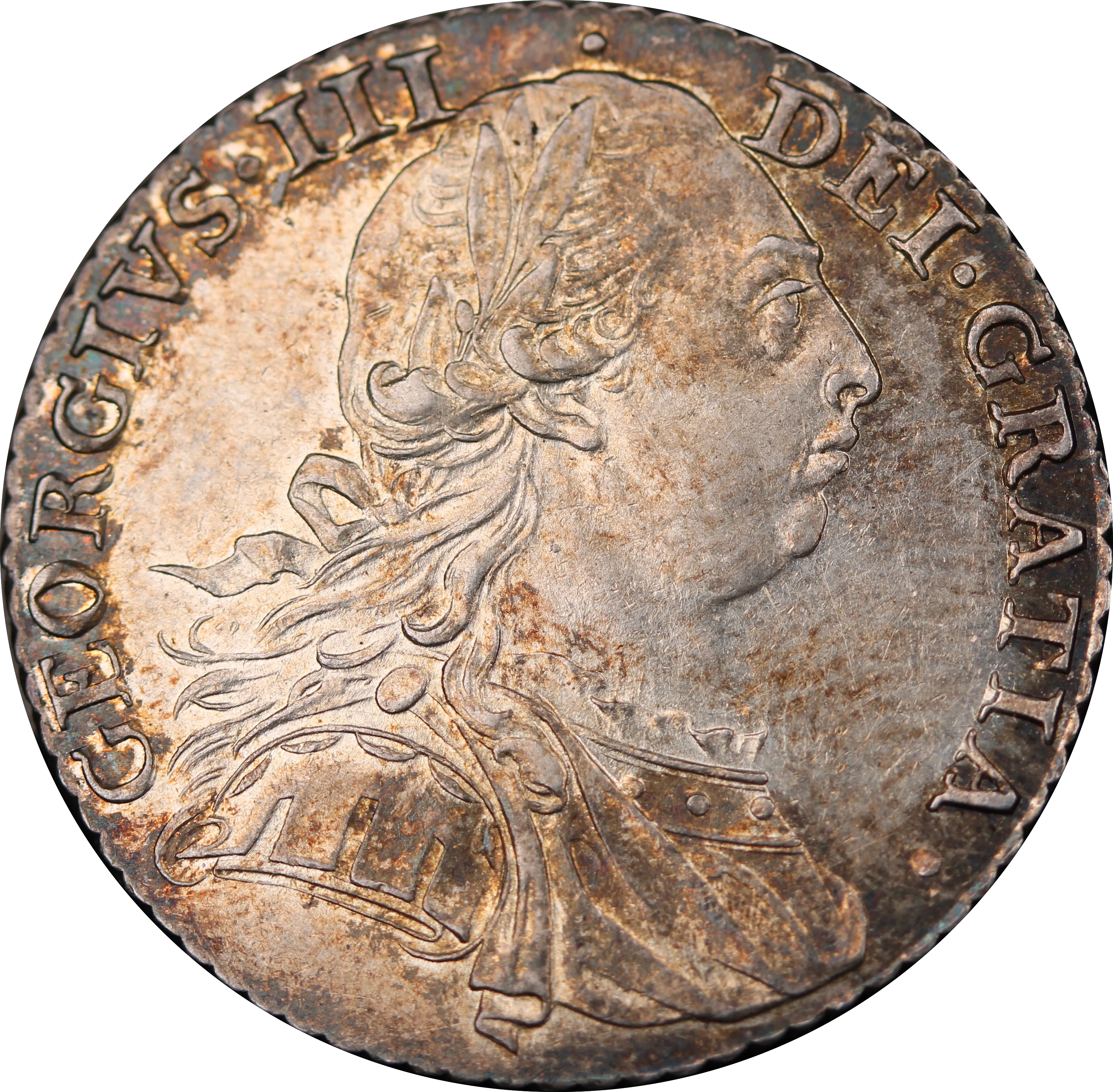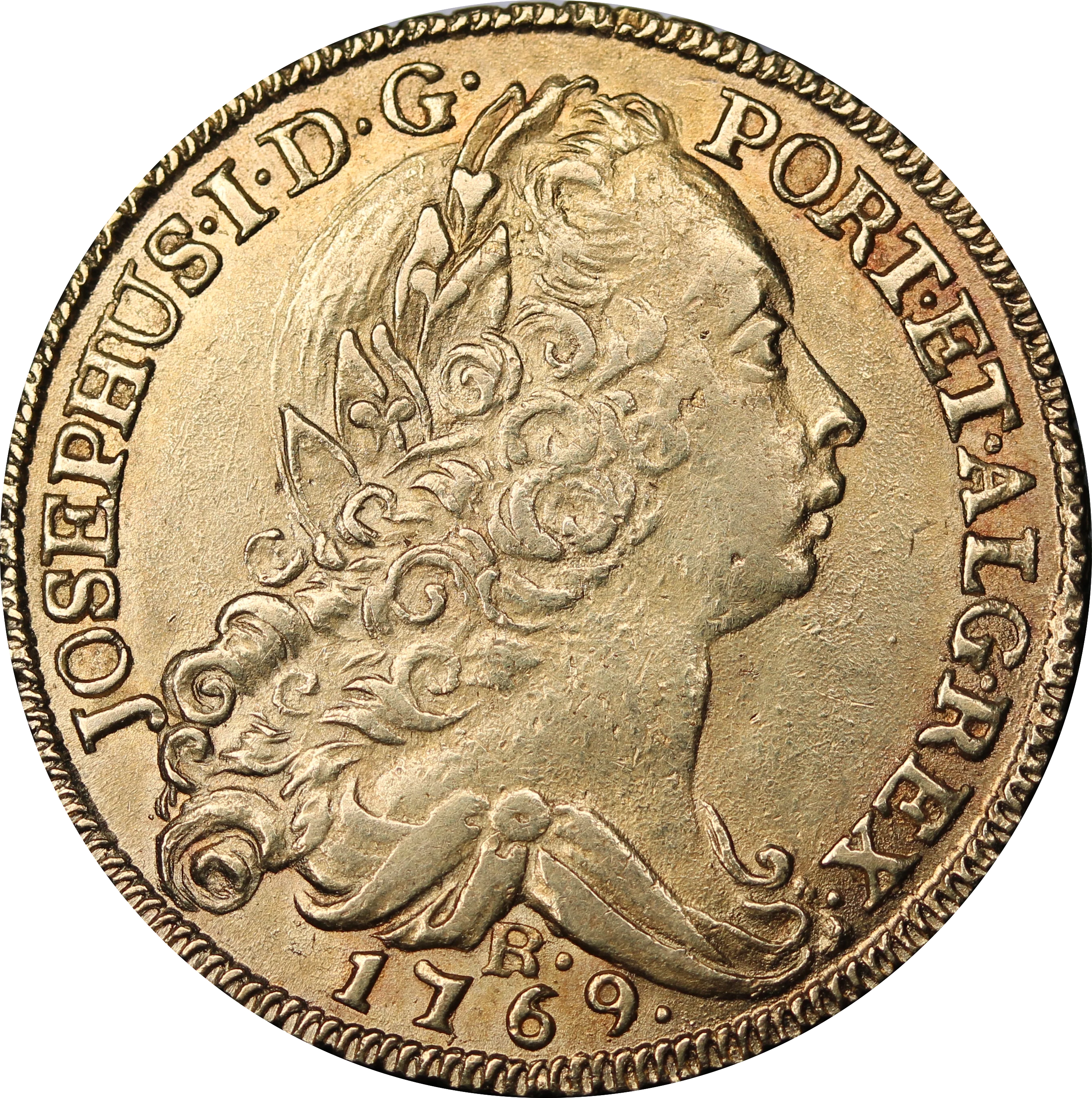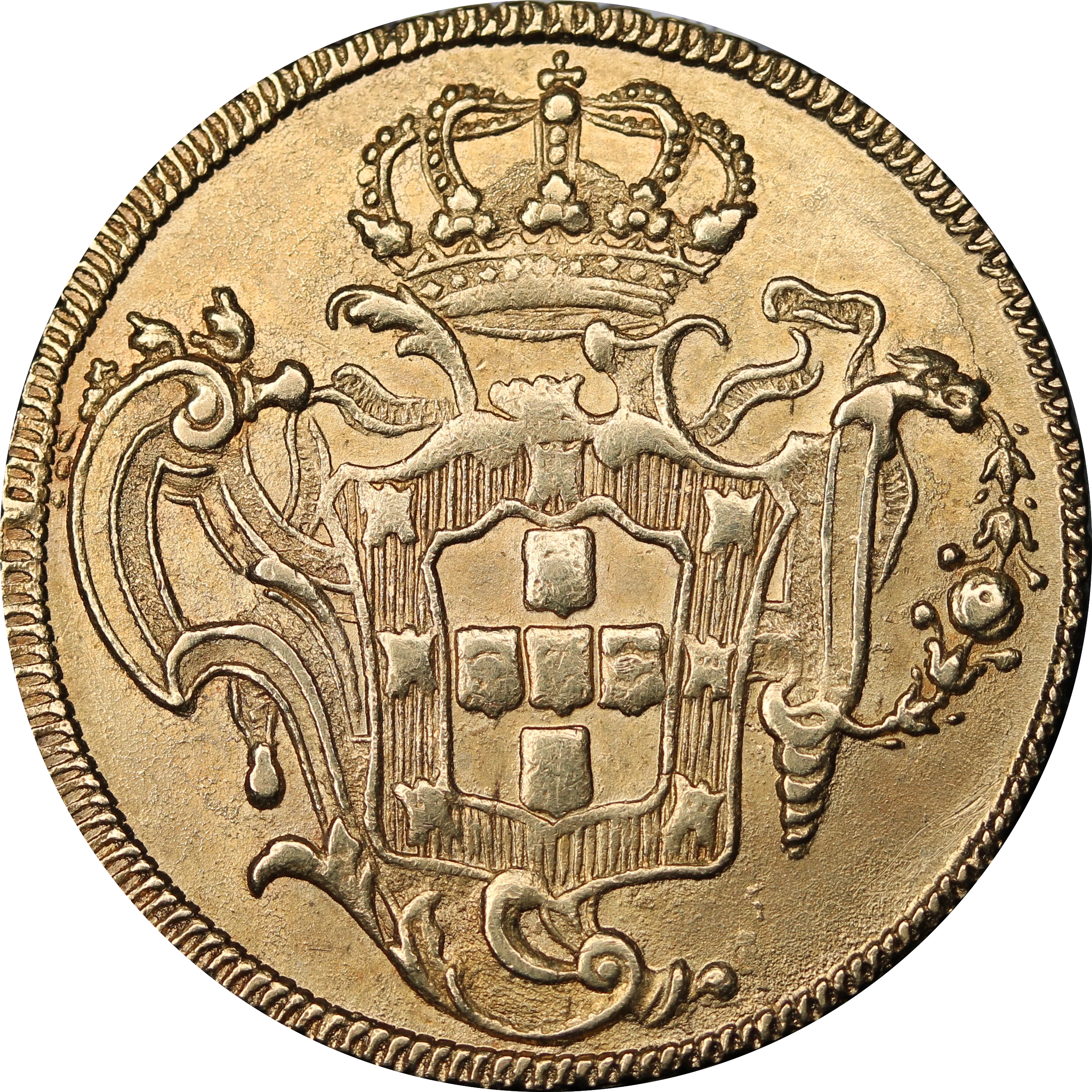
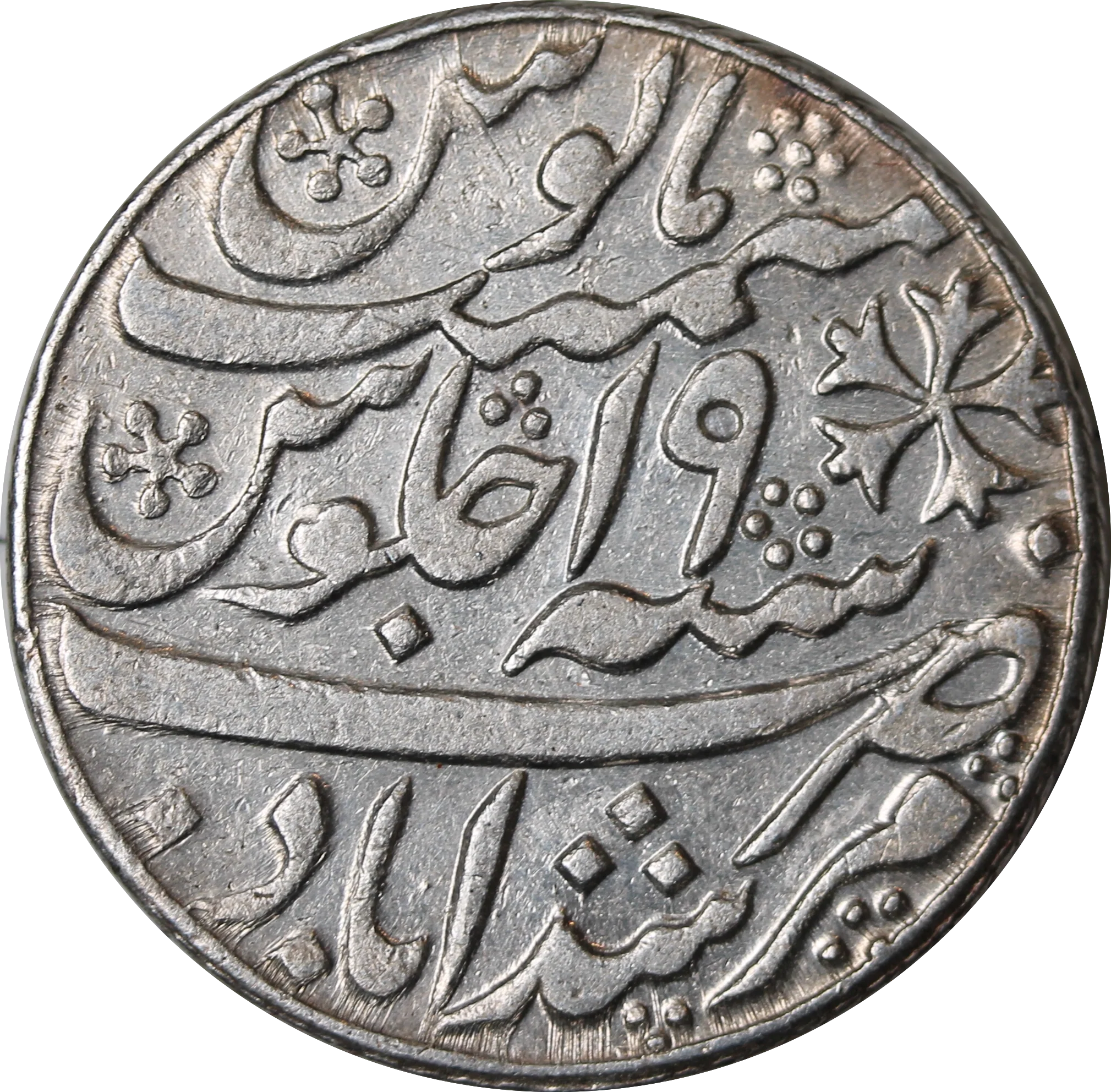
India (EIC) c.1793 Silver Rupee UNC
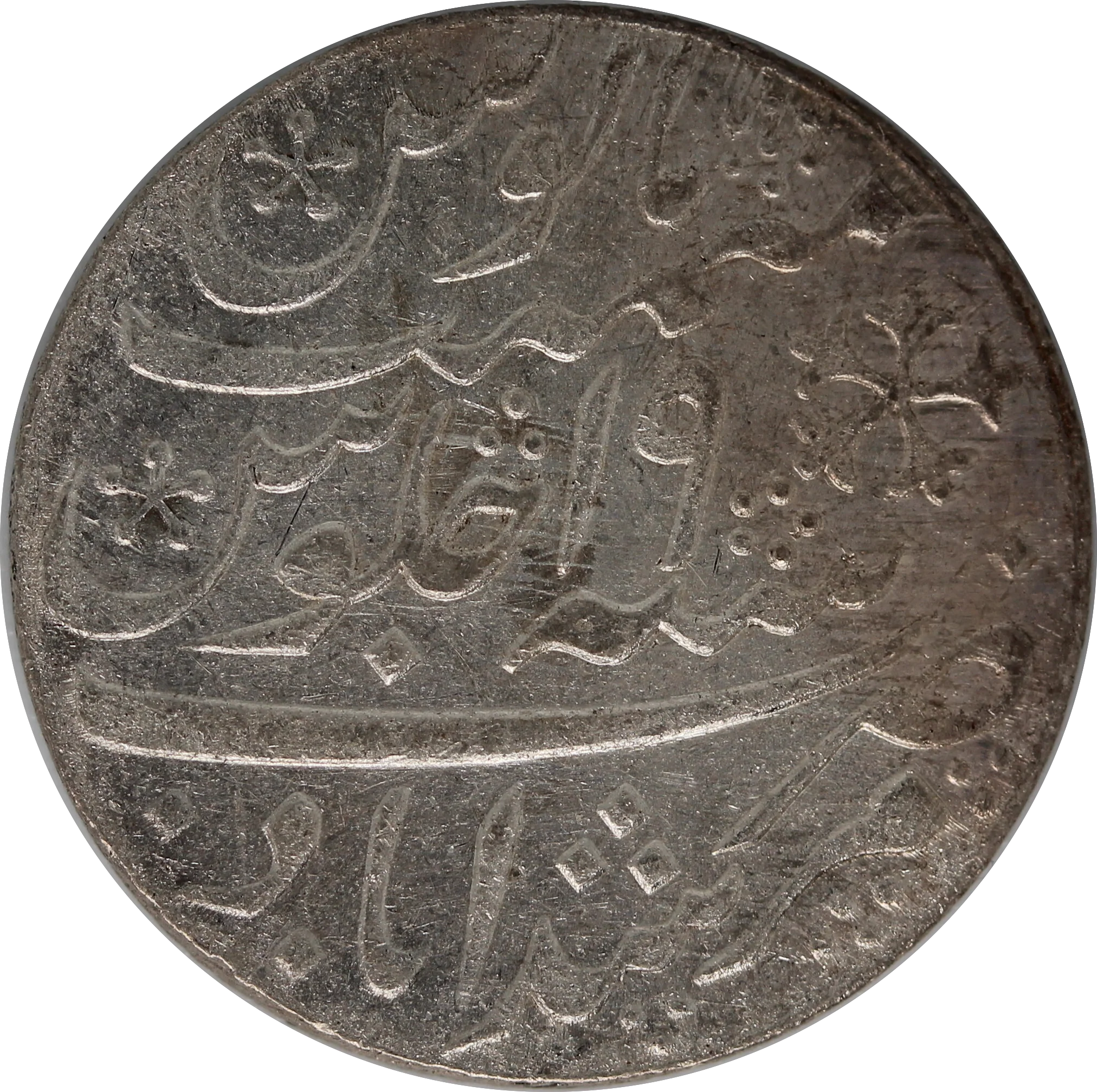
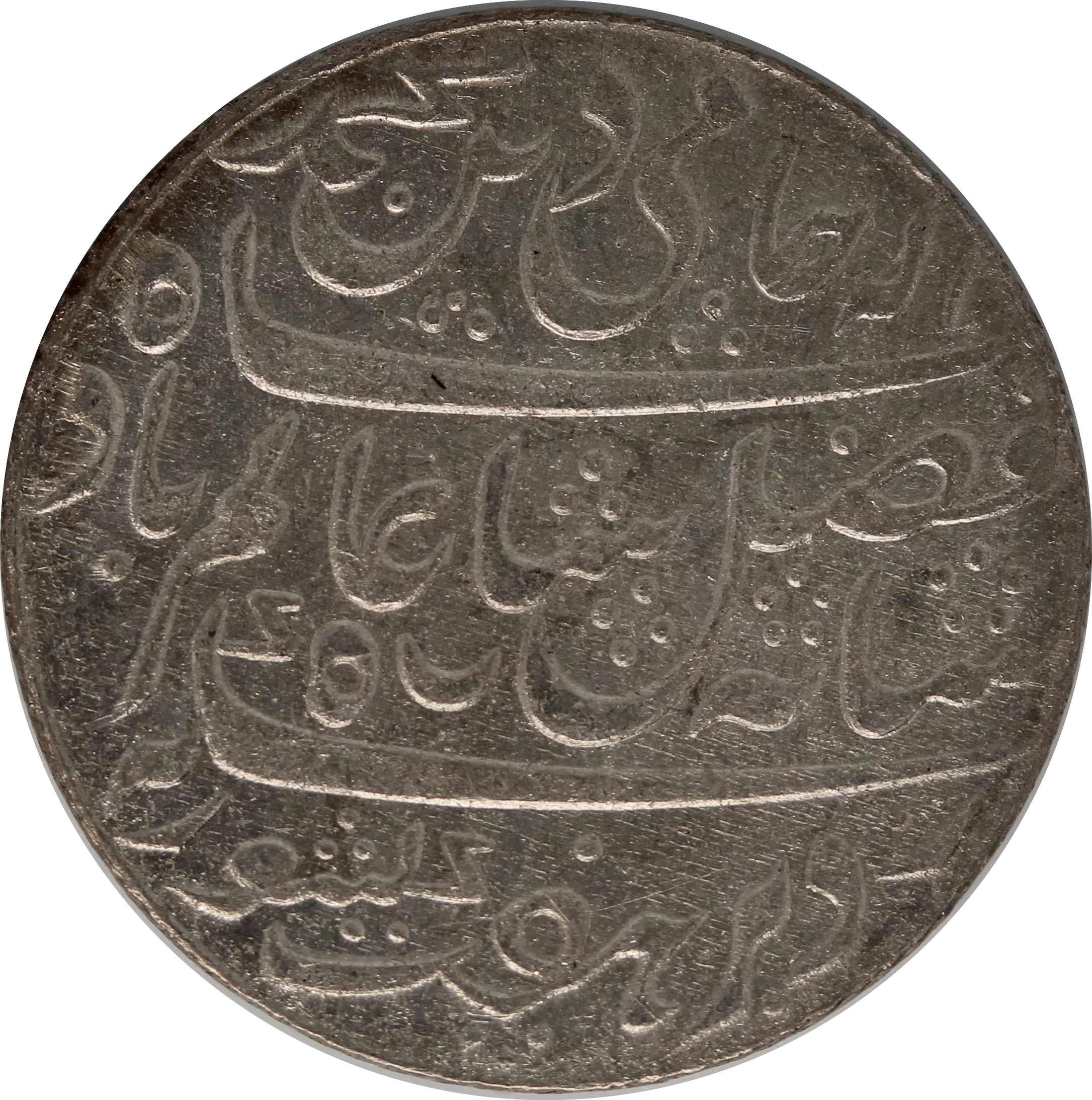
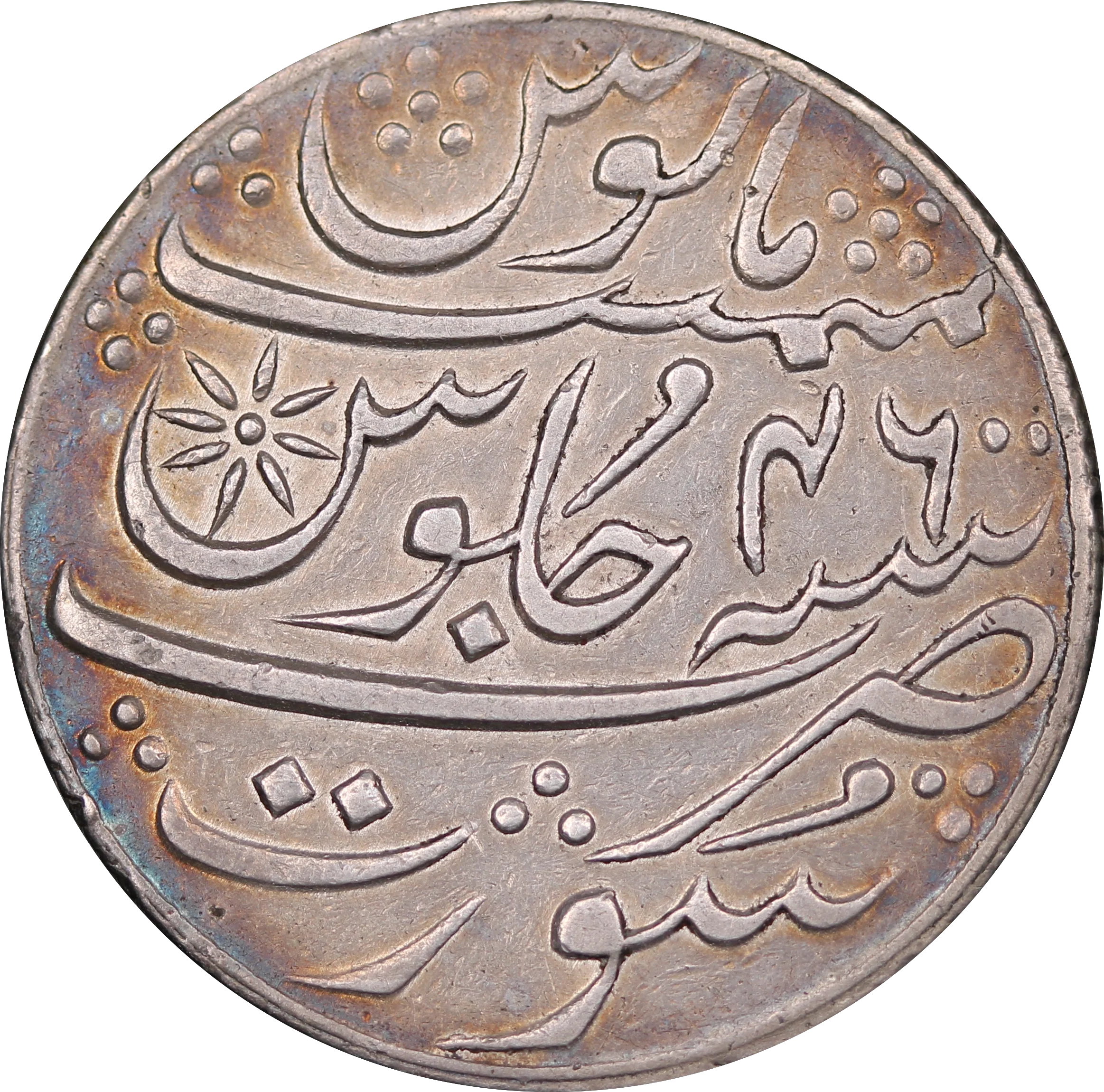
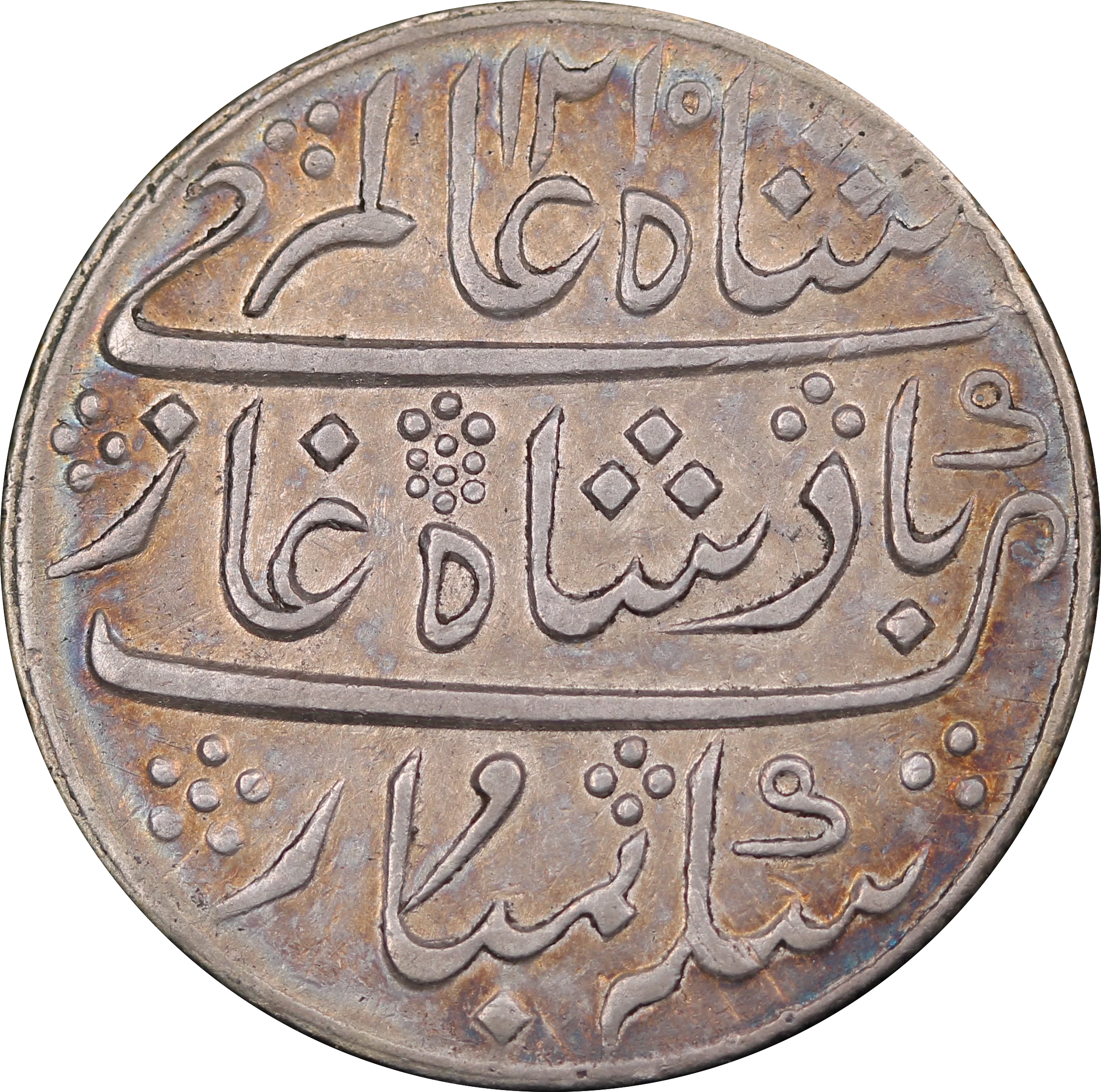
The India Silver Rupee, struck between 1792 and 1818 under the British East India Company, is a cornerstone of colonial currency in the subcontinent. Minted primarily in Calcutta and other key presidencies, these rupees followed the traditional Mughal style, featuring elegant Persian inscriptions and the name of the nominal Mughal emperor, Shah Alam II. They were trusted for their consistency and became the dominant trade coin across India and beyond.
These coins weren’t just important in India—they made their way across global trade routes, including to early colonial Australia. In 1800, Governor Philip Gidley King included the Indian silver rupee as one of the 11 official coins in his proclamation to stabilise New South Wales' chaotic currency system. As such, the 1792–1818 rupee played a quiet but essential role in both Indian commerce and the foundation of Australia’s early monetary history.
Original: $304.07
-65%$304.07
$106.42More Images
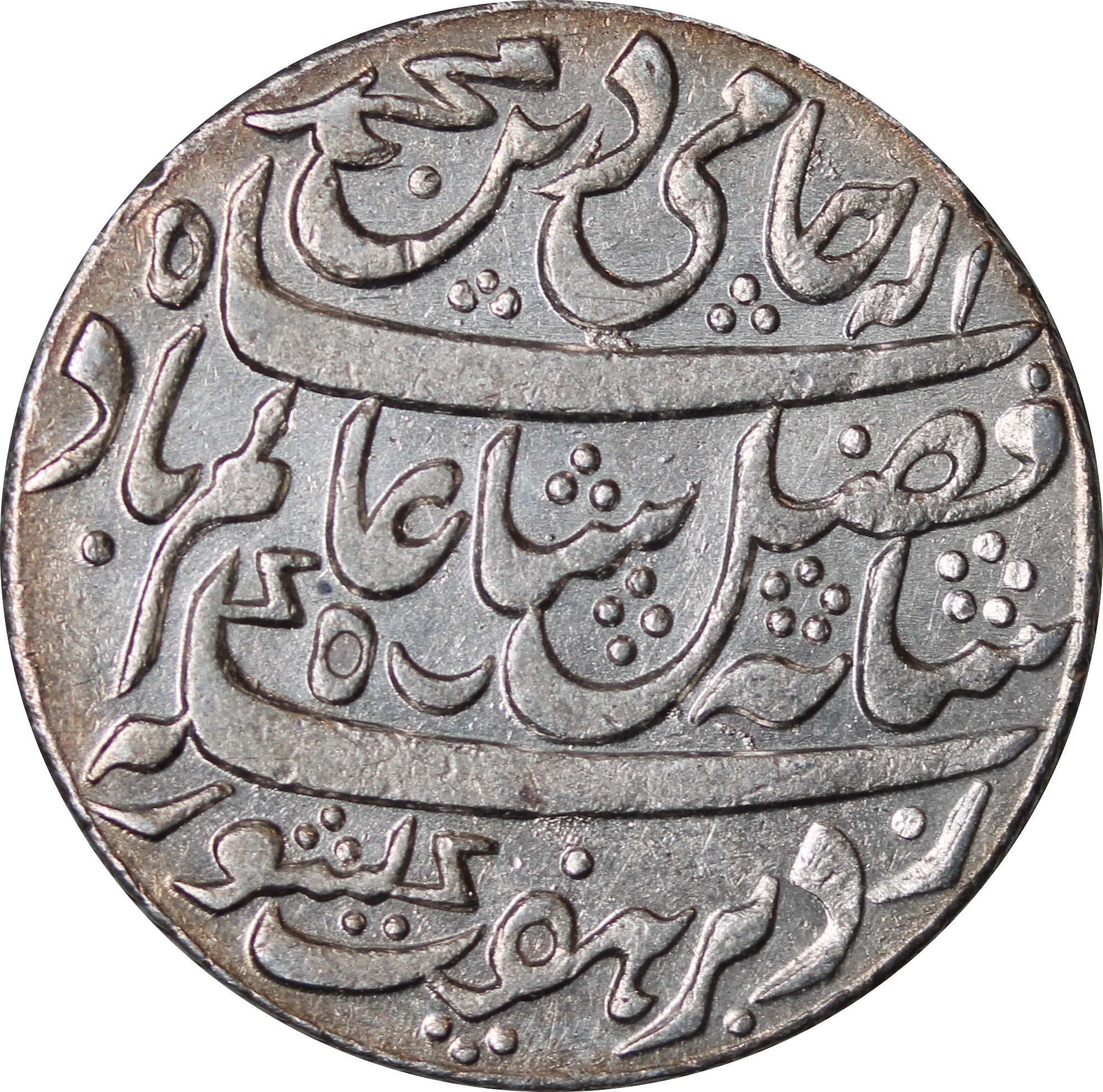
India (EIC) c.1793 Silver Rupee UNC
The India Silver Rupee, struck between 1792 and 1818 under the British East India Company, is a cornerstone of colonial currency in the subcontinent. Minted primarily in Calcutta and other key presidencies, these rupees followed the traditional Mughal style, featuring elegant Persian inscriptions and the name of the nominal Mughal emperor, Shah Alam II. They were trusted for their consistency and became the dominant trade coin across India and beyond.
These coins weren’t just important in India—they made their way across global trade routes, including to early colonial Australia. In 1800, Governor Philip Gidley King included the Indian silver rupee as one of the 11 official coins in his proclamation to stabilise New South Wales' chaotic currency system. As such, the 1792–1818 rupee played a quiet but essential role in both Indian commerce and the foundation of Australia’s early monetary history.
Product Information
Product Information
Shipping & Returns
Shipping & Returns
Description
The India Silver Rupee, struck between 1792 and 1818 under the British East India Company, is a cornerstone of colonial currency in the subcontinent. Minted primarily in Calcutta and other key presidencies, these rupees followed the traditional Mughal style, featuring elegant Persian inscriptions and the name of the nominal Mughal emperor, Shah Alam II. They were trusted for their consistency and became the dominant trade coin across India and beyond.
These coins weren’t just important in India—they made their way across global trade routes, including to early colonial Australia. In 1800, Governor Philip Gidley King included the Indian silver rupee as one of the 11 official coins in his proclamation to stabilise New South Wales' chaotic currency system. As such, the 1792–1818 rupee played a quiet but essential role in both Indian commerce and the foundation of Australia’s early monetary history.