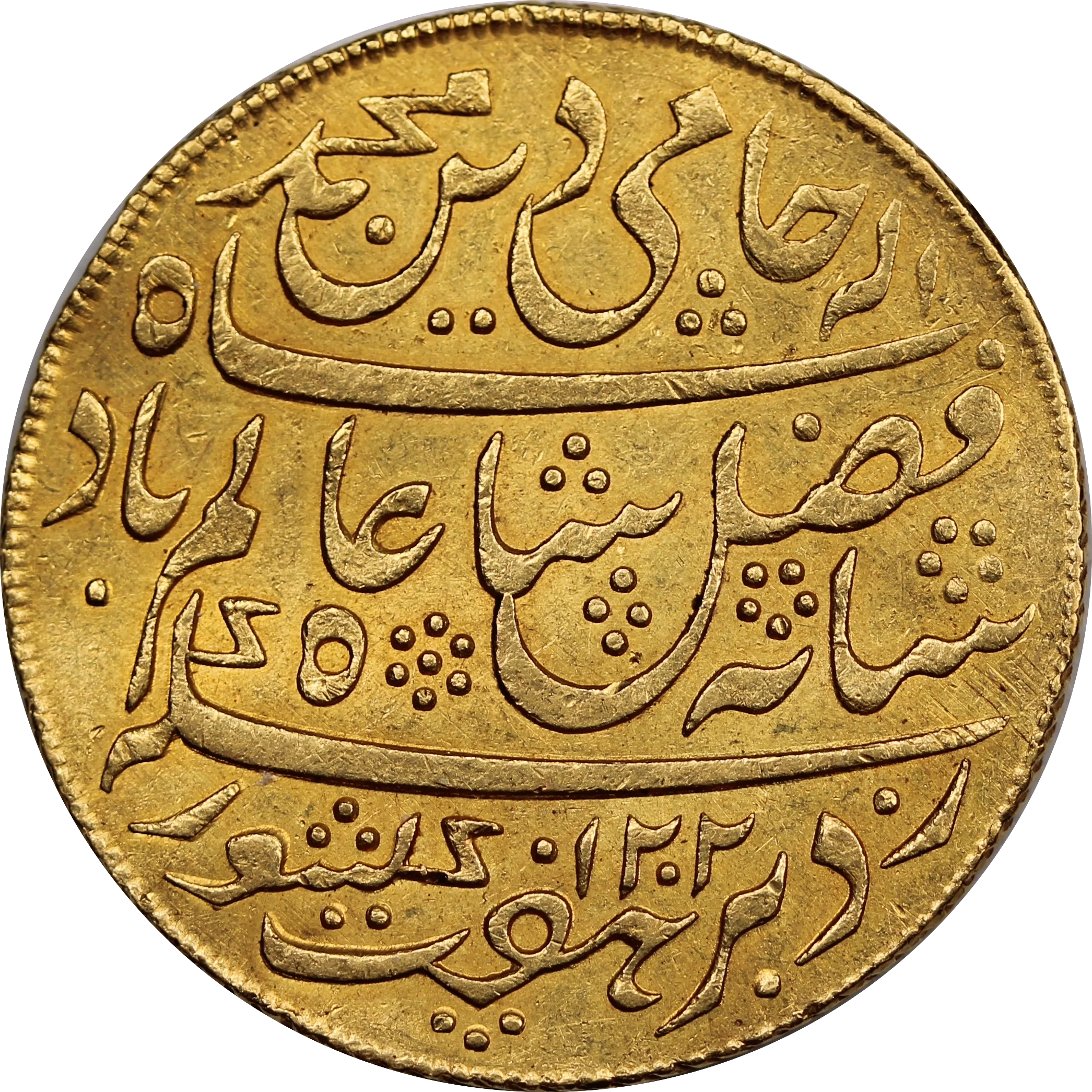
India Bengal Presidency, Gold Mohur Coin, AH1202/19 EF
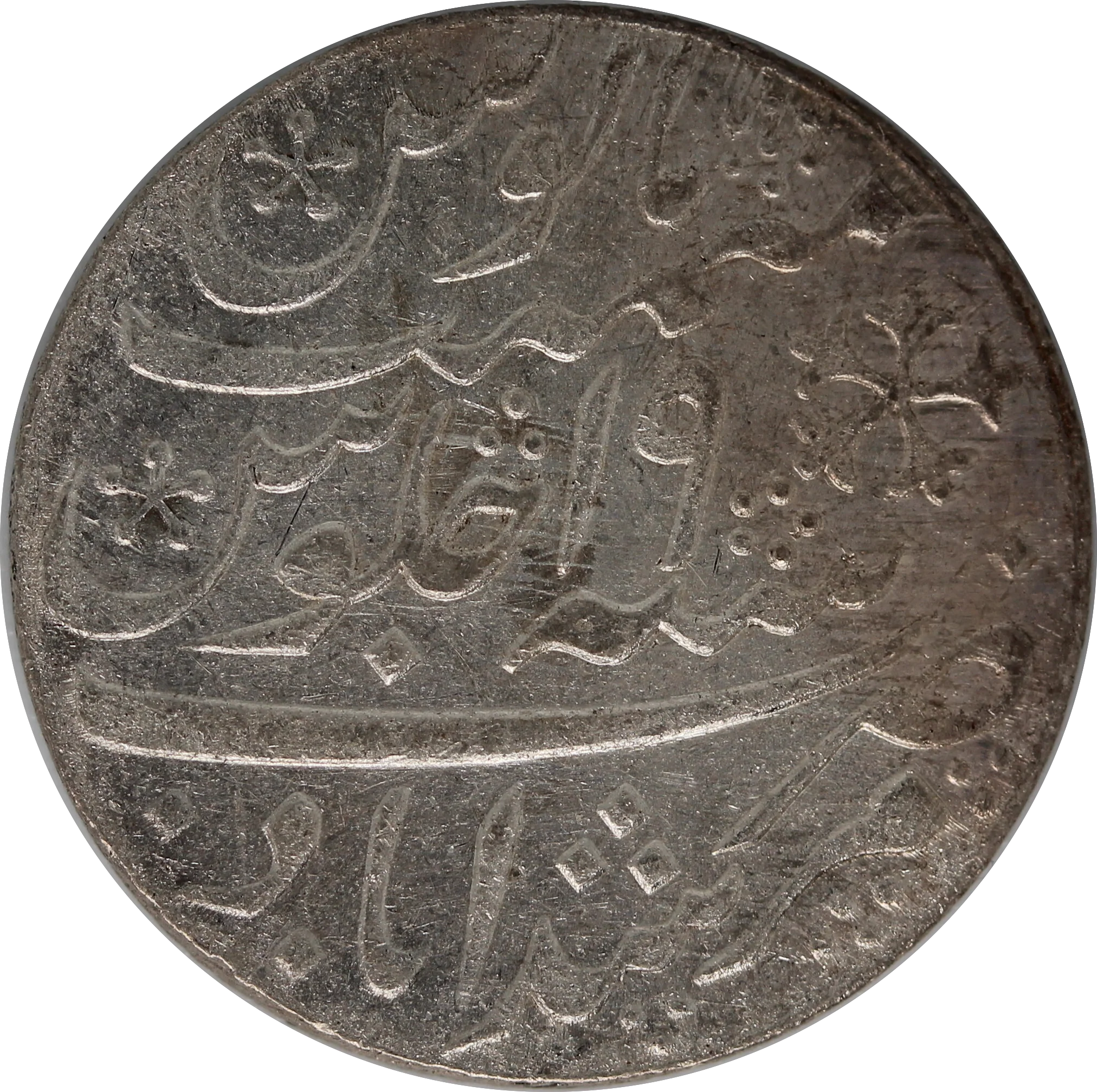
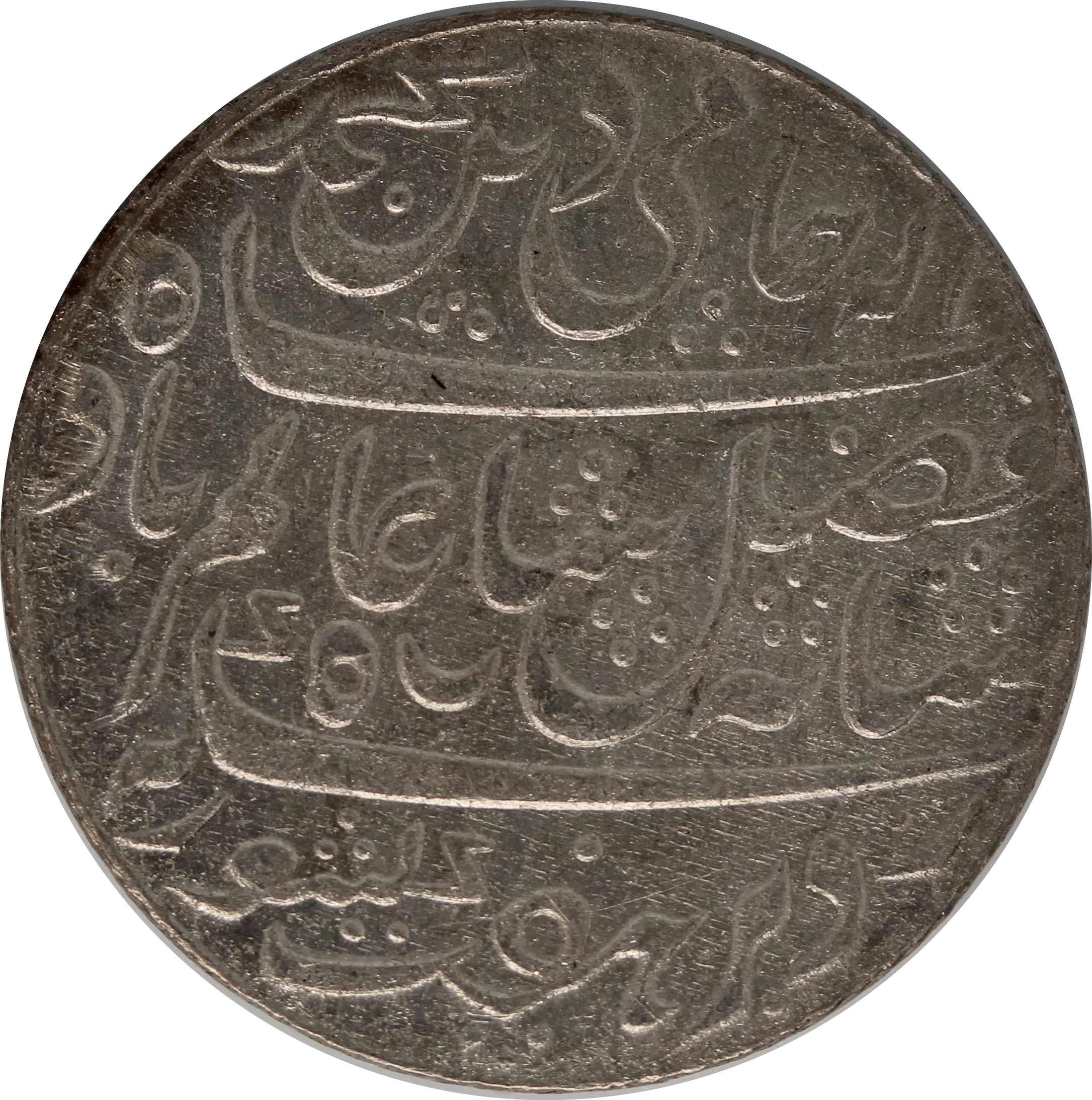
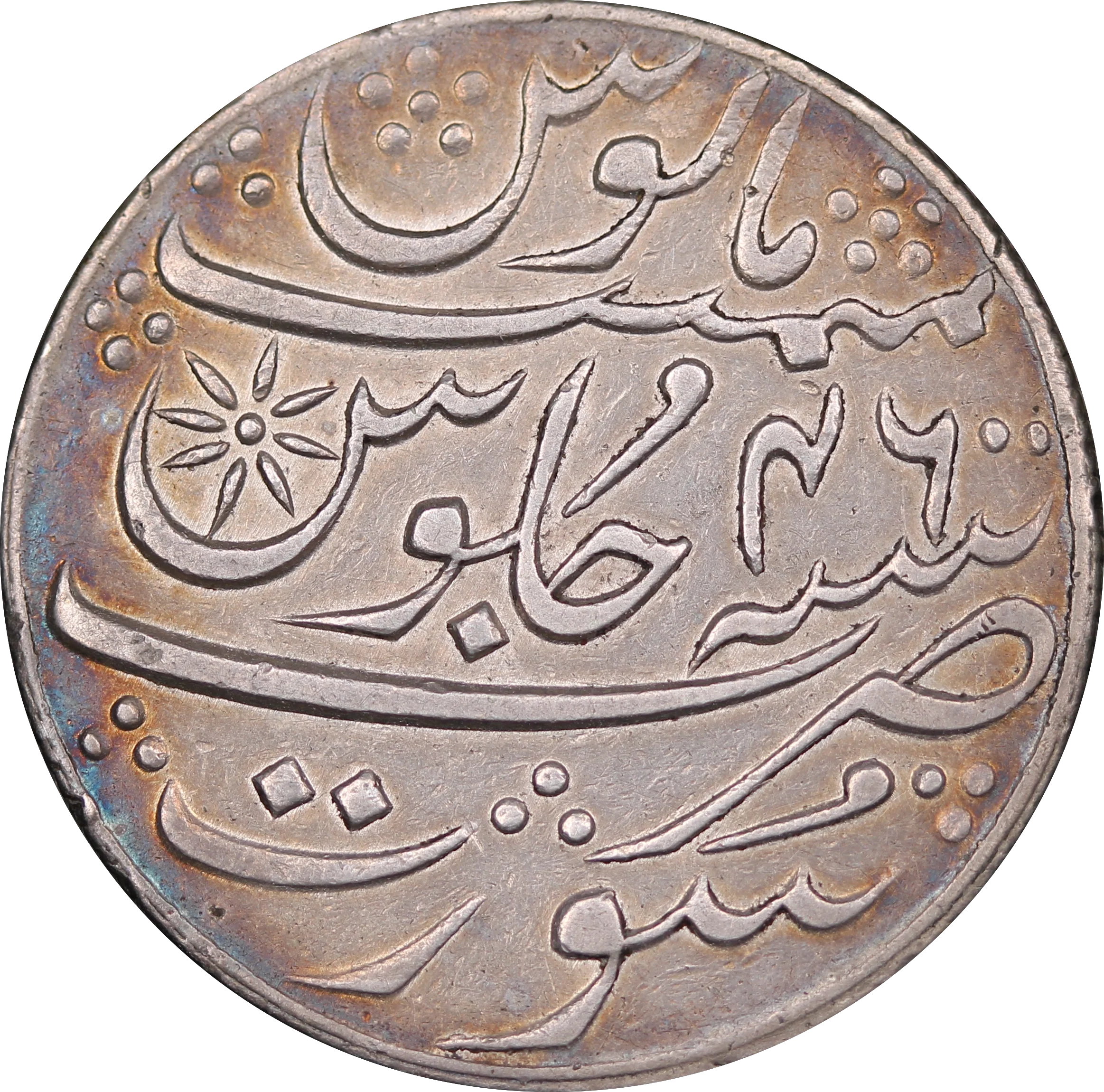
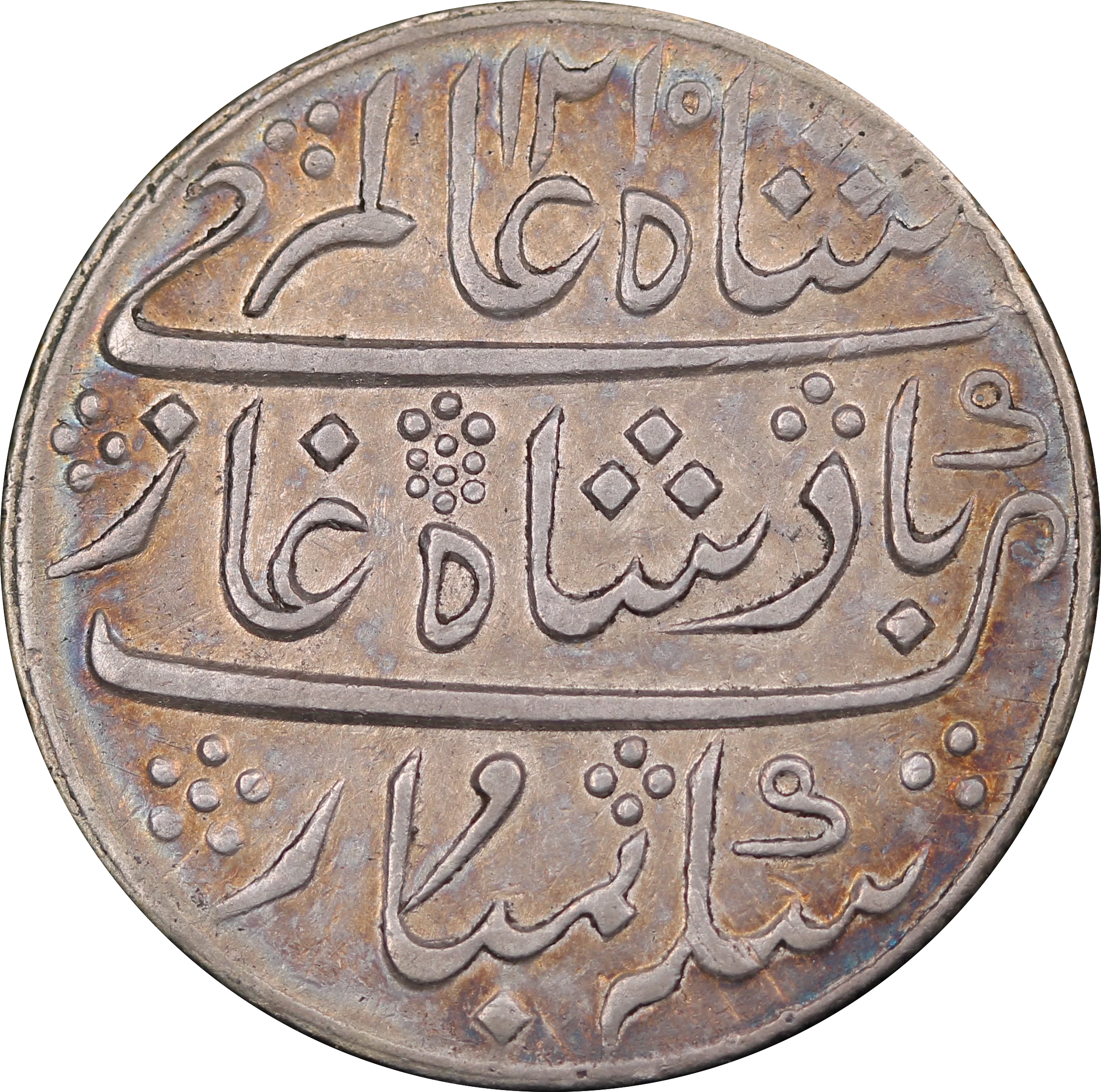
Struck by the British East India Company at the Calcutta Mint (referred to as Murshidabad) around 1825–1830, this Gold Mohur weighs 12.29g and features inscriptions in Persian, honoring Mughal Emperor Shah Alam II. The obverse names the emperor and the ‘frozen’ Hijri year 1202, while the reverse notes its striking in the 19th regnal year. Translations of the inscriptions speak of the emperor as the “Defender of the Faith” and the coin as being minted in a reign of “tranquil prosperity.” This later issue revived the traditional high purity gold standard and predates the crescent mintmark issues.
The mohur, a gold coin with origins in 16th-century India, became a key part of the Mughal monetary system, exchanging at a rate of fifteen silver rupees to one mohur. Its historical significance extended beyond India—this very type was listed among the coinage officially sanctioned in Australia’s 1800 Proclamation by Governor Philip Gidley King. Assigned a high local value of £1 17s 6d, the mohur was part of an early effort to keep quality coinage in circulation in the New South Wales colony, despite being a foreign issue.
More Images
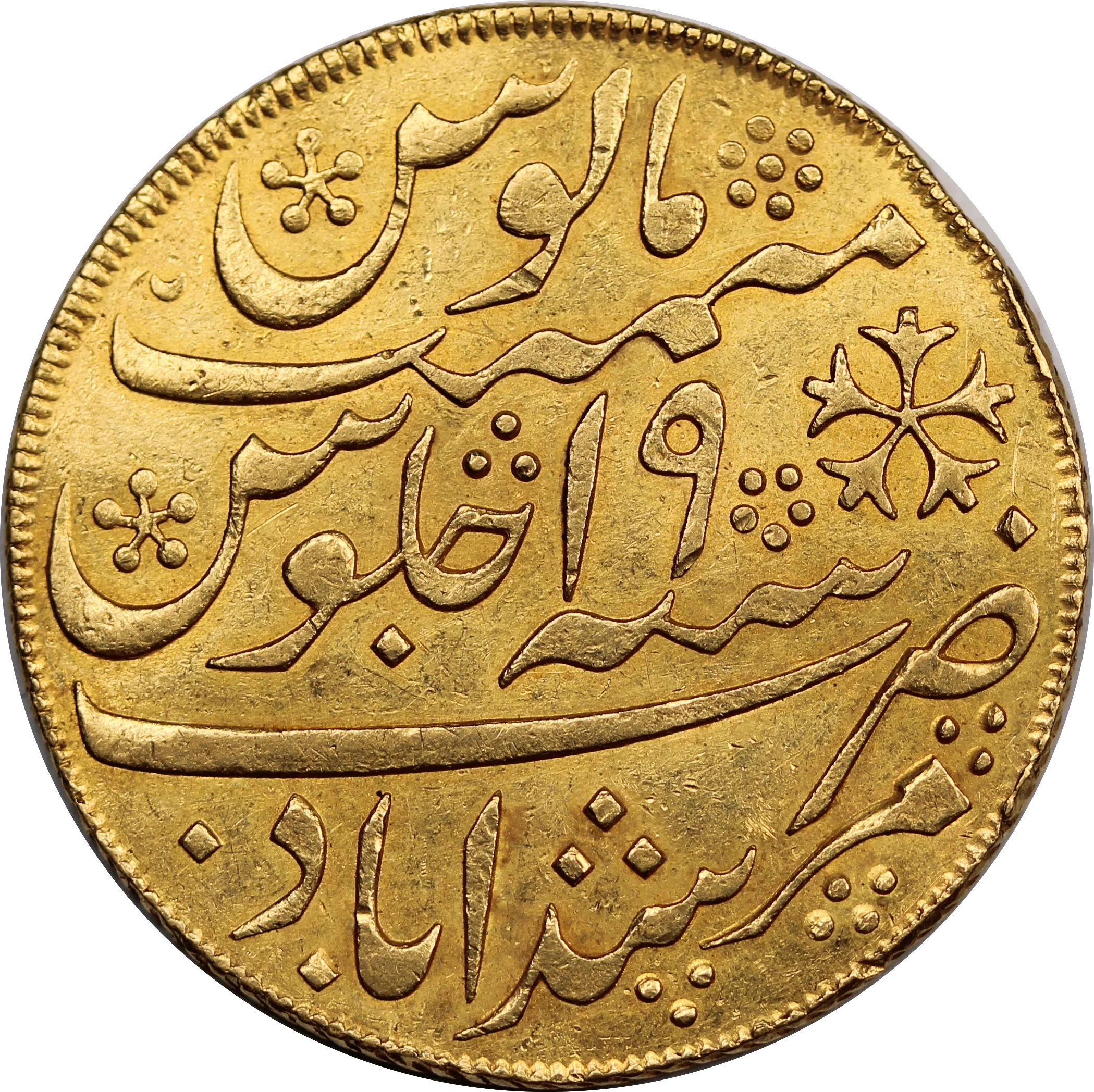
India Bengal Presidency, Gold Mohur Coin, AH1202/19 EF
Struck by the British East India Company at the Calcutta Mint (referred to as Murshidabad) around 1825–1830, this Gold Mohur weighs 12.29g and features inscriptions in Persian, honoring Mughal Emperor Shah Alam II. The obverse names the emperor and the ‘frozen’ Hijri year 1202, while the reverse notes its striking in the 19th regnal year. Translations of the inscriptions speak of the emperor as the “Defender of the Faith” and the coin as being minted in a reign of “tranquil prosperity.” This later issue revived the traditional high purity gold standard and predates the crescent mintmark issues.
The mohur, a gold coin with origins in 16th-century India, became a key part of the Mughal monetary system, exchanging at a rate of fifteen silver rupees to one mohur. Its historical significance extended beyond India—this very type was listed among the coinage officially sanctioned in Australia’s 1800 Proclamation by Governor Philip Gidley King. Assigned a high local value of £1 17s 6d, the mohur was part of an early effort to keep quality coinage in circulation in the New South Wales colony, despite being a foreign issue.
Product Information
Product Information
Shipping & Returns
Shipping & Returns
Description
Struck by the British East India Company at the Calcutta Mint (referred to as Murshidabad) around 1825–1830, this Gold Mohur weighs 12.29g and features inscriptions in Persian, honoring Mughal Emperor Shah Alam II. The obverse names the emperor and the ‘frozen’ Hijri year 1202, while the reverse notes its striking in the 19th regnal year. Translations of the inscriptions speak of the emperor as the “Defender of the Faith” and the coin as being minted in a reign of “tranquil prosperity.” This later issue revived the traditional high purity gold standard and predates the crescent mintmark issues.
The mohur, a gold coin with origins in 16th-century India, became a key part of the Mughal monetary system, exchanging at a rate of fifteen silver rupees to one mohur. Its historical significance extended beyond India—this very type was listed among the coinage officially sanctioned in Australia’s 1800 Proclamation by Governor Philip Gidley King. Assigned a high local value of £1 17s 6d, the mohur was part of an early effort to keep quality coinage in circulation in the New South Wales colony, despite being a foreign issue.